This is Tsuyama. Past and present.
Let your curiosity open new doors.


Écomusée Tsuyama,
the Town-Wide Museum
Tsuyama Citywide Museum is a curious museum —it has no building, no exhibition rooms.
Instead, it consists of the town itself. The natural features of the land.
The everyday goings-on of the people. All of it, and each part of it.
By exploring Tsuyama’s history and culture in every corner of the town,even familiar sights can become something truly extraordinary.
This is Tsuyama. Past and present.
Chance encounters and human stories can be found everywhere here,if you just know where to look.
Now.
“Now” is what connects the ancient past with the far future.
“Now” is the door to new discoveries and new experiences.
And now, that door is opening —
will you step through?
Digital Experience Guide
We convey the charm of Tsuyama using computer graphics and video technology.
TSUYAMA CASTLE RUINS
-
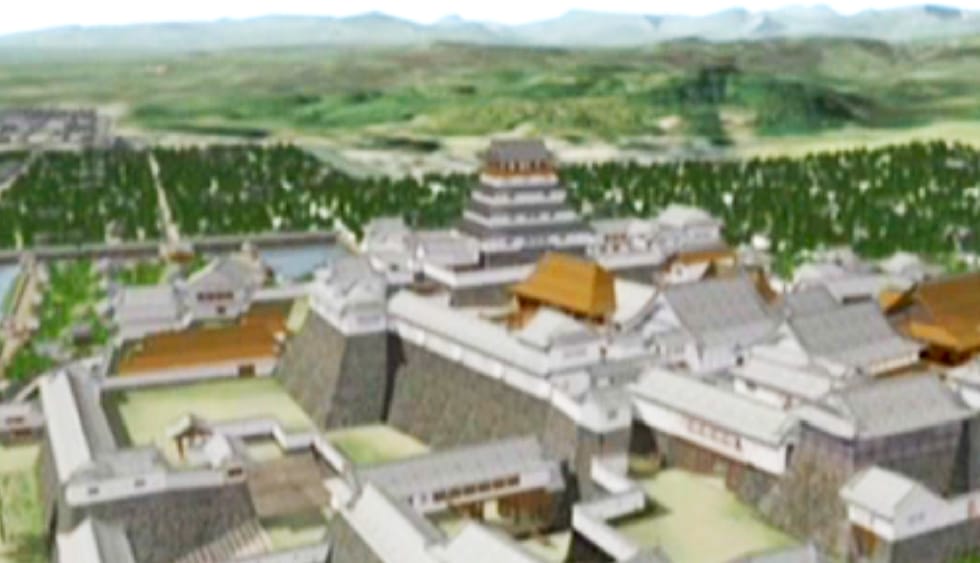
The Revival of Tsuyama Castle
The majestic Tsuyama Castle, which once boasted over 60 turrets and a multi-layered main keep, along with its surrounding castle town, has been revived through cutting-edge digital technology. Please enjoy our various interactive contents.
Learn MoreShiroshita Area
-
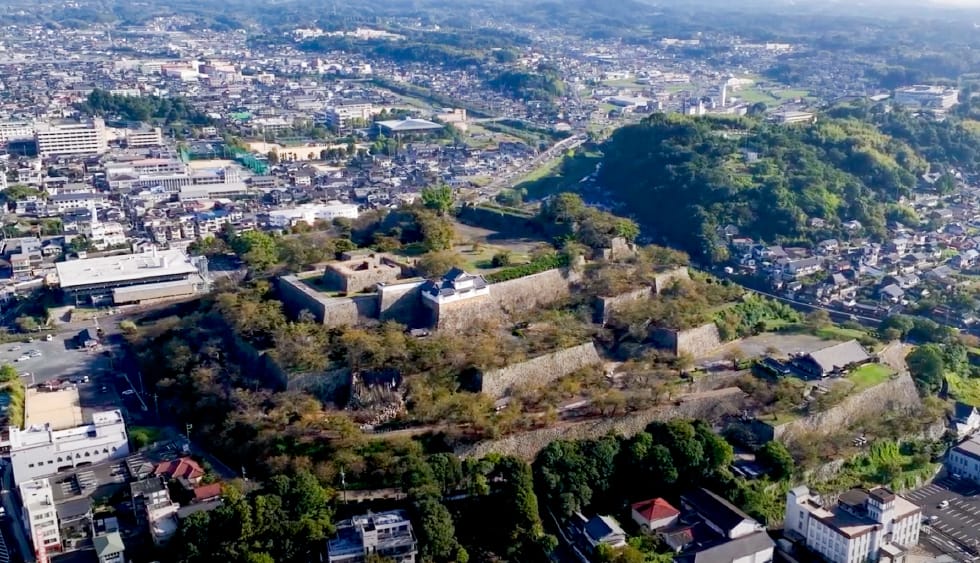
History and Highlights of Tsuyama Castle
This castle complex, which overlooks Tsuyama from atop a hill, has long been considered one of Japan’s Three Great Mountain Castles, and is an iconic part of Tsuyama’s historical heritage.
Learn MoreShiroshita Area
-
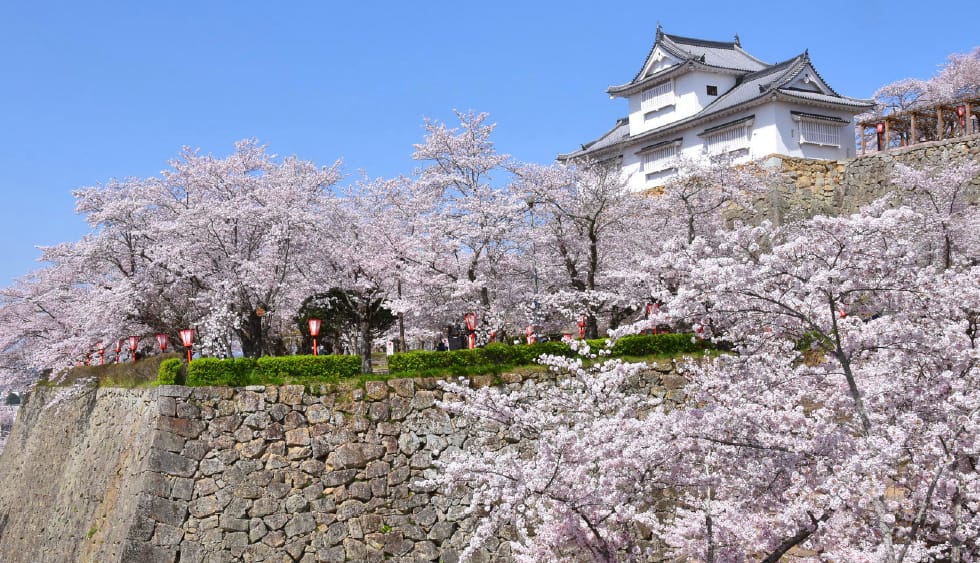
The Four Seasons in Kakuzan Park
The people of Tsuyama affectionately call these castle ruins by the nickname “the castle mountain.” It is beautiful through all four seasons: spring brings cherry blossoms all around the castle grounds. In summer, the trees turn a lush green. Autumn is known for dazzling red leaves, and the snows of winter blanket the castle grounds in a tranquil hush. Each season offers its own unique beauty at Tsuyama Castle, and the transitions from one to the next can bring truly unforgettable moments.
Learn MoreShiroshita Area
-
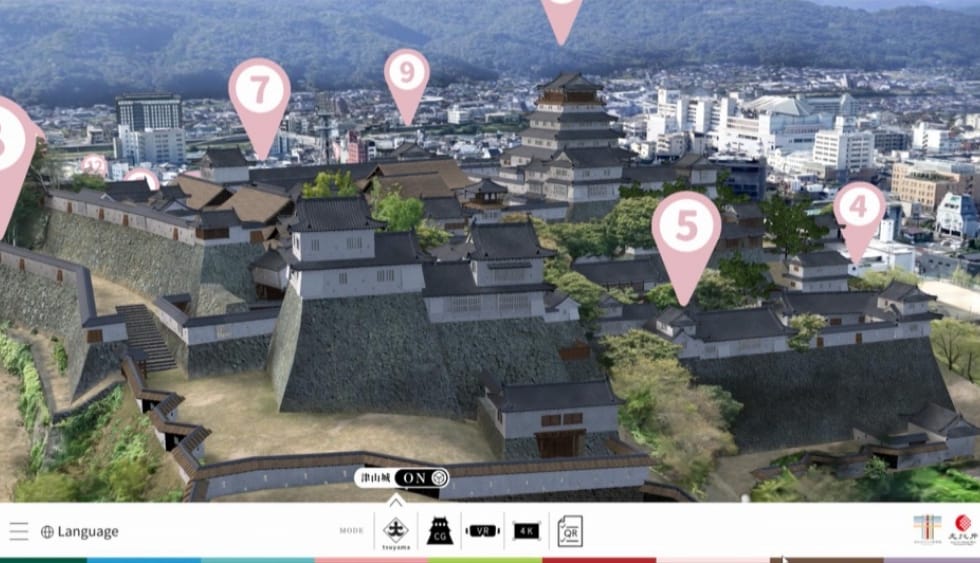
Experience History Firsthand through Tsuyama Castle Digital Signage
Interactive digital signage found in three locations around Tsuyama offers a way to explore a 3D reconstruction of Tsuyama Castle, overlaid on the townscape of today’s Tsuyama. Use the touchscreen to move the view around, for a three-dimensional sense of the relationship between the castle and the town, or to see the internal structure of the castle keep.
Learn MoreShiroshita Area
-
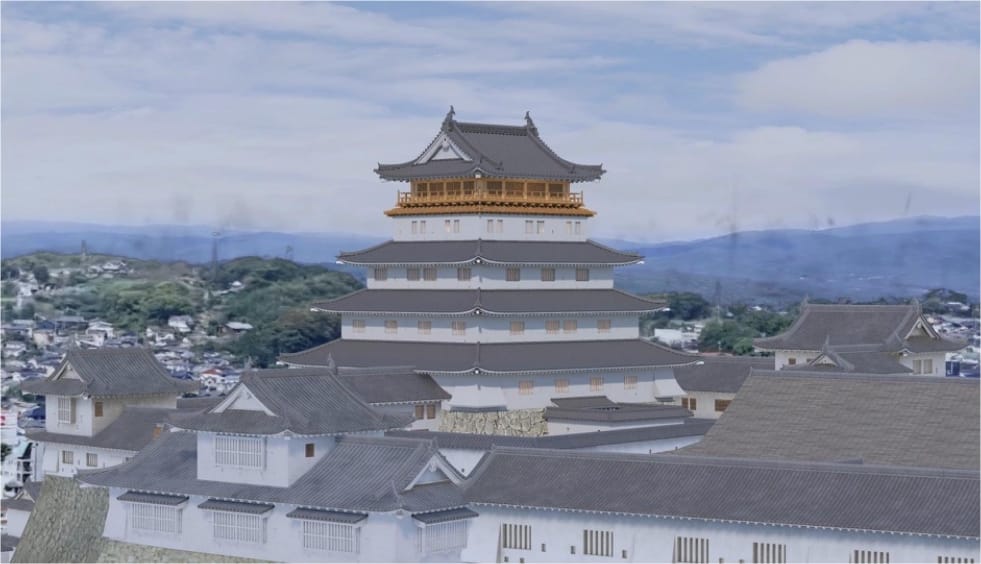
The Little-Known Interior of Tsuyama Castle’s Keep
The Tsuyama Castle keep was a five-tiered structure designed for defensive functionality, as well as to serve as a residence in the event of a siege. The castle keep embodied military preparedness, with its stone base and lower floors, while the lord’s room on the top floor represented his status, making the keep a symbol of his authority.
Learn MoreShiroshita Area
-
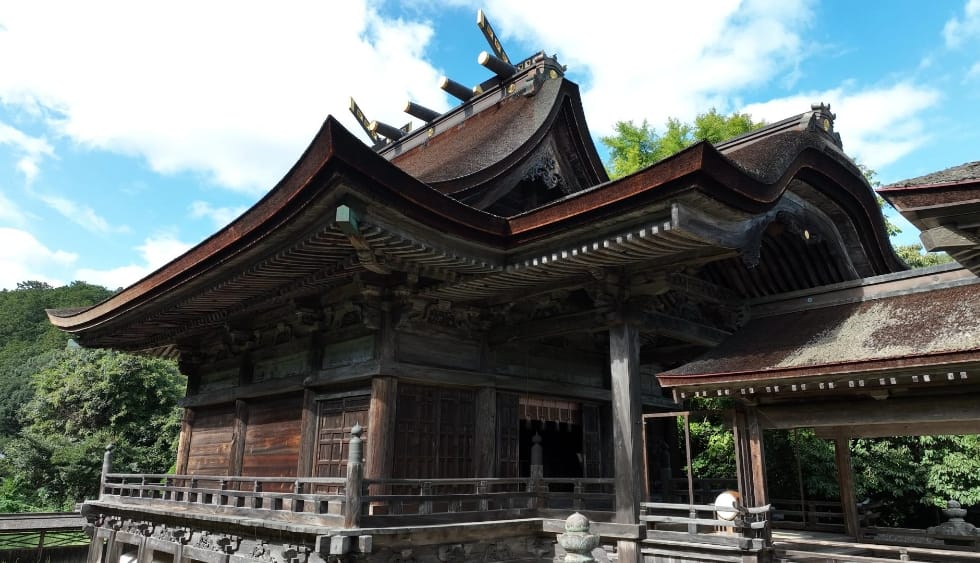
Nakayama Shrine
Nakayama Shrine, located in northern Tsuyama, is one of the most important shrines in the Mimasaka region. The main hall, rebuilt in 1559, features a unique architectural style known as Nakayama-zukuri, and is designated a National Important Cultural Property. It remains a focus of local traditions and faith centered around the deities of artisanry and livestock.
Learn MoreTerrace Area
-
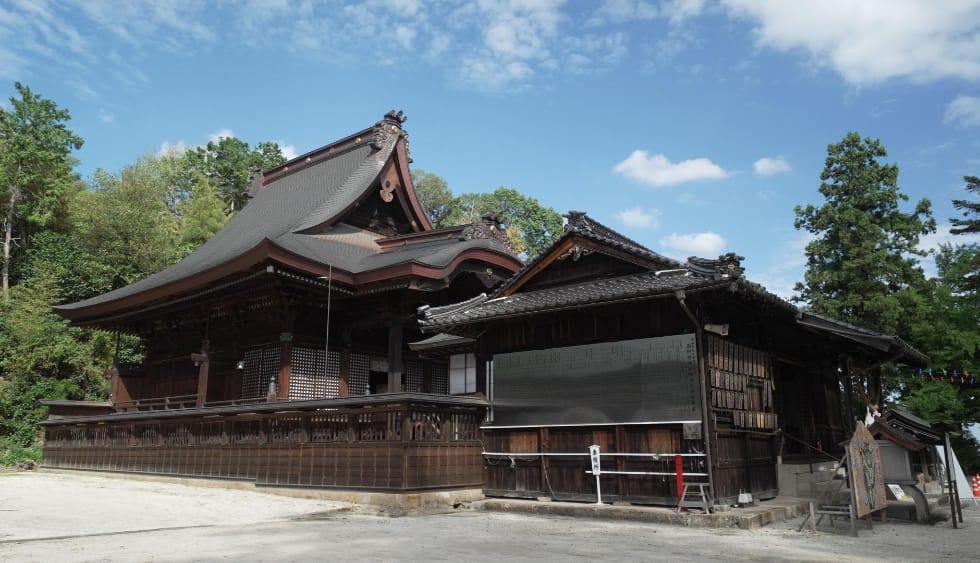
Takano Shrine
Takano Shrine, located along the Yoshii River, is the second-highest-ranked shrine in the Mimasaka region. The main hall was built in 1663, and it inherits the Nakayama-zukuri architectural style seen at Nakayama Shrine. The shrine is home to numerous Cultural Properties, including wooden statues of attendants and pairs of lions, reflecting its long history and deep-rooted spiritual heritage.
Learn MoreJosai Area
-
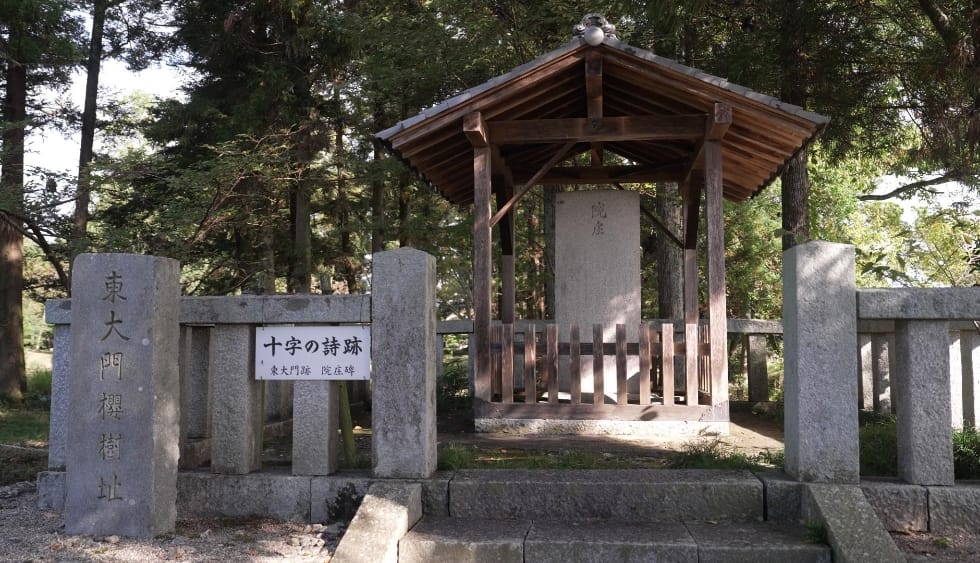
Innosho Residence Ruins
Located in western Tsuyama along the Yoshii River, the Site of the Innosho Residence marks the location of a residence built in the 14th century for use by the governor of Mimasaka Province. It is famous for being the setting of a legend of loyalty between Emperor Go-Daigo, who spent time here during his exile, and the warrior Kojima Takanori.
Learn MoreJosai Area
-
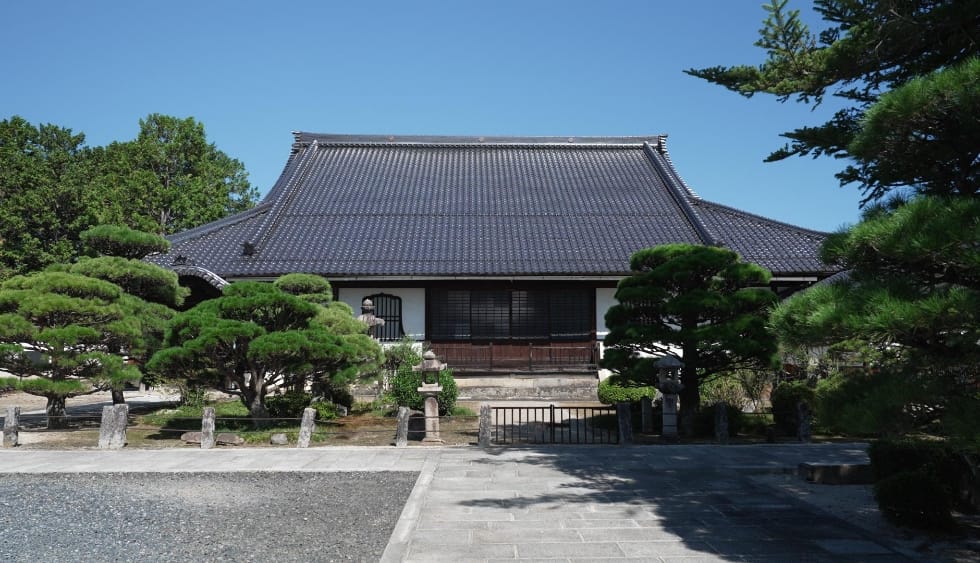
Hongenji Temple
Hongenji is a Rinzai-school Zen temple located in central Tsuyama. It flourished as the family temple of the Mori clan, which itself dates back to Mori Tadamasa, the lord for whom Tsuyama Castle was originally built. The temple buildings and mausoleum tell the story of the Mori clan and the cultural heritage of the Tsuyama Domain.
Learn MoreJosai Area
-
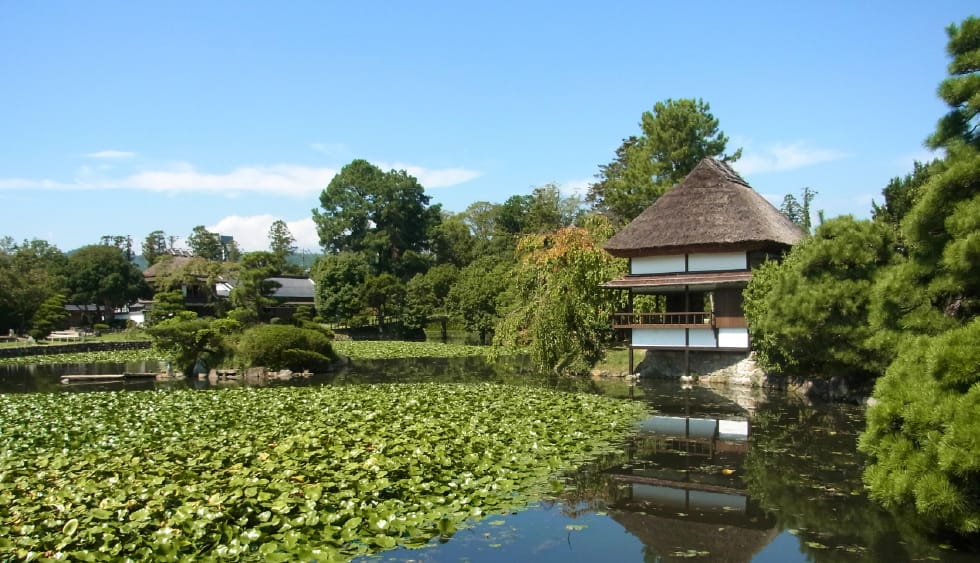
SHURAKUEN GARDEN
This garden once belonged to the lords of the feudal Tsuyama Domain. It features a large central pond, designed to be walked around, and offers subtle yet profound scenery to enjoy as time passes you by: islands in the water, reflections on the pond’s surface, and lush, carefully maintained trees and plants.
Learn MoreShiroshita Area
-
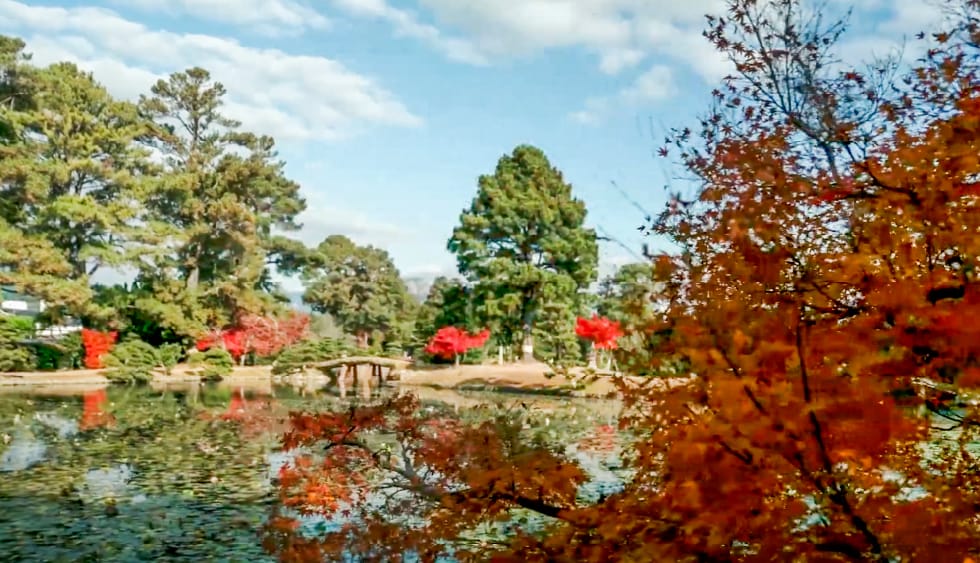
Autumn in Shurakuen Garden
The north-south elongated pond garden is divided by four floating islands and incorporates the surrounding mountains as borrowed scenery. Here, you can spend a relaxed time away from the hustle and bustle while admiring the beautiful landscape that changes with the four seasons.
Learn MoreShiroshita Area
-
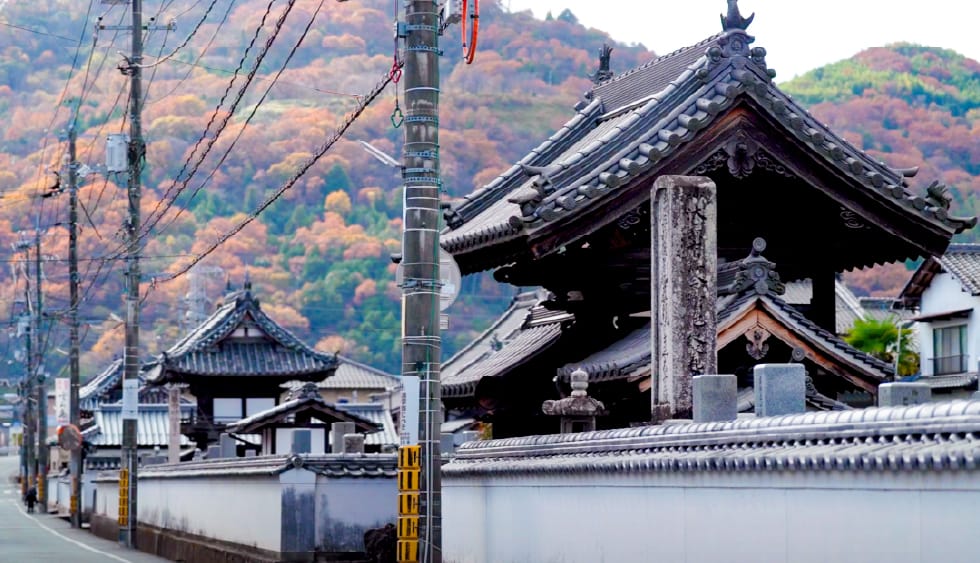
Josai Preservation District for Groups of Traditional Buildings of Tsuyama
This district, located to the west of Tsuyama Castle, is known for its elegant modern-period atmosphere. Enjoy a stroll through a townscape of temples, shrines, and merchant houses, preserved from around the turn of the 20th century.
Learn MoreJosai Area
-
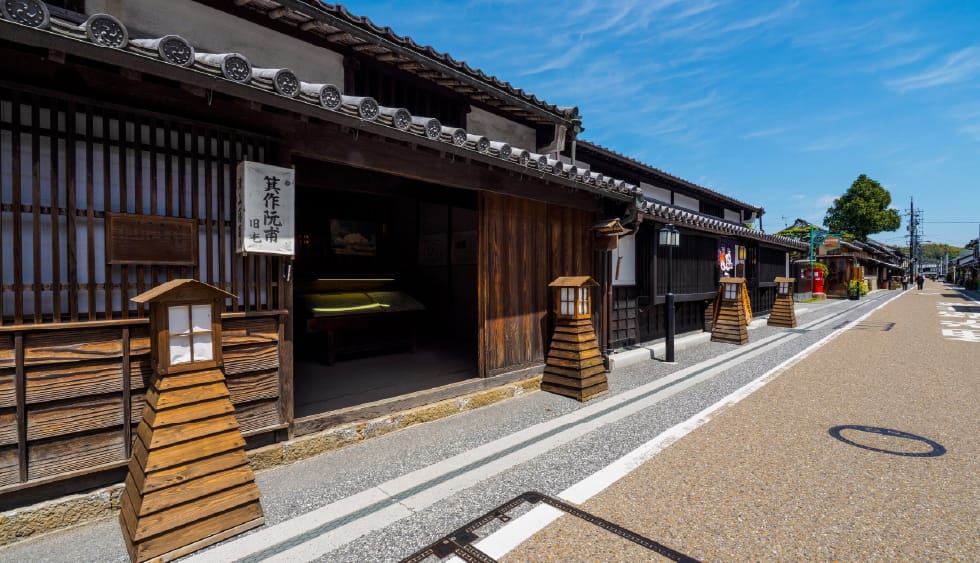
Joto Preservation District for Groups of Traditional Buildings of Tsuyama
In this atmospheric district, the historic townscape of the castle town surrounding Tsuyama Castle lives on to today. There are still traditional buildings here dating back a century or more, offering a glimpse into the town’s prosperity at the time.
Learn MoreJoto Area
-
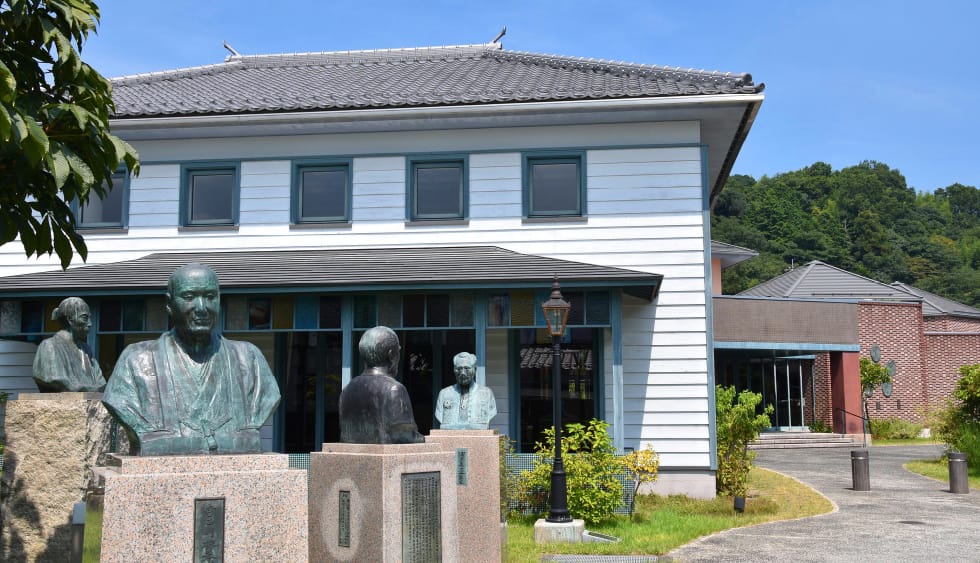
The Former Residence of Mitsukuri Genpo
Discover the origins of a key figure in Japan’s modernization. This was the birthplace of Mitsukuri Genpo, a doctor who worked for the Tsuyama Domain and a scholar of Western learning, who went on to be a major influence on Japanese adoption of Western science, as well as the modernization of education in Japan.
Learn MoreJoto Area
-
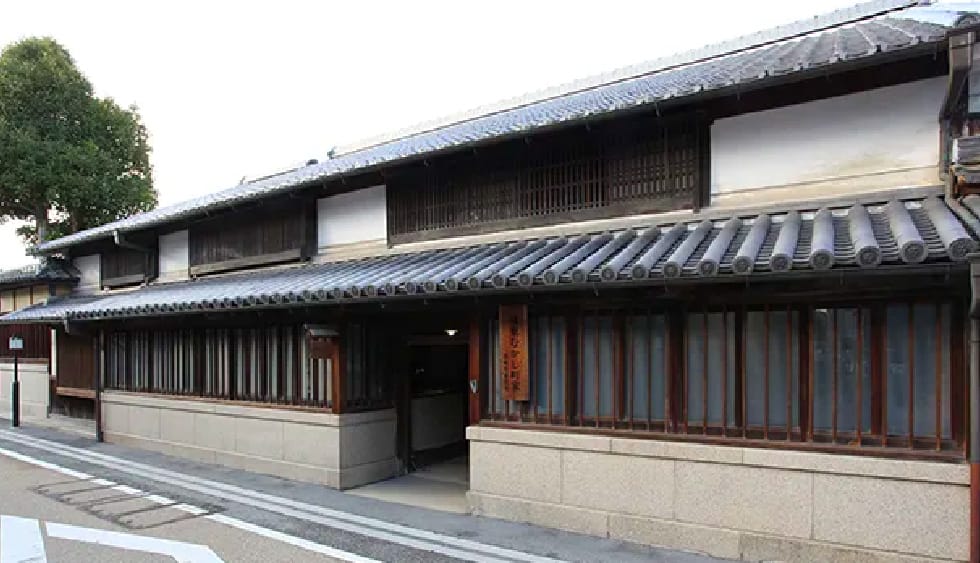
Old Machiya Townhouse of Joto
This was the home of a wealthy merchant family, and it reflects the transition Japan underwent from the last years of the feudal Edo period (1603–1868), through the rapid Westernization and modernization of the following half-century. The various architectural designs and styles offer visitors a sense of what it was like to live through these times.
Learn MoreJoto Area
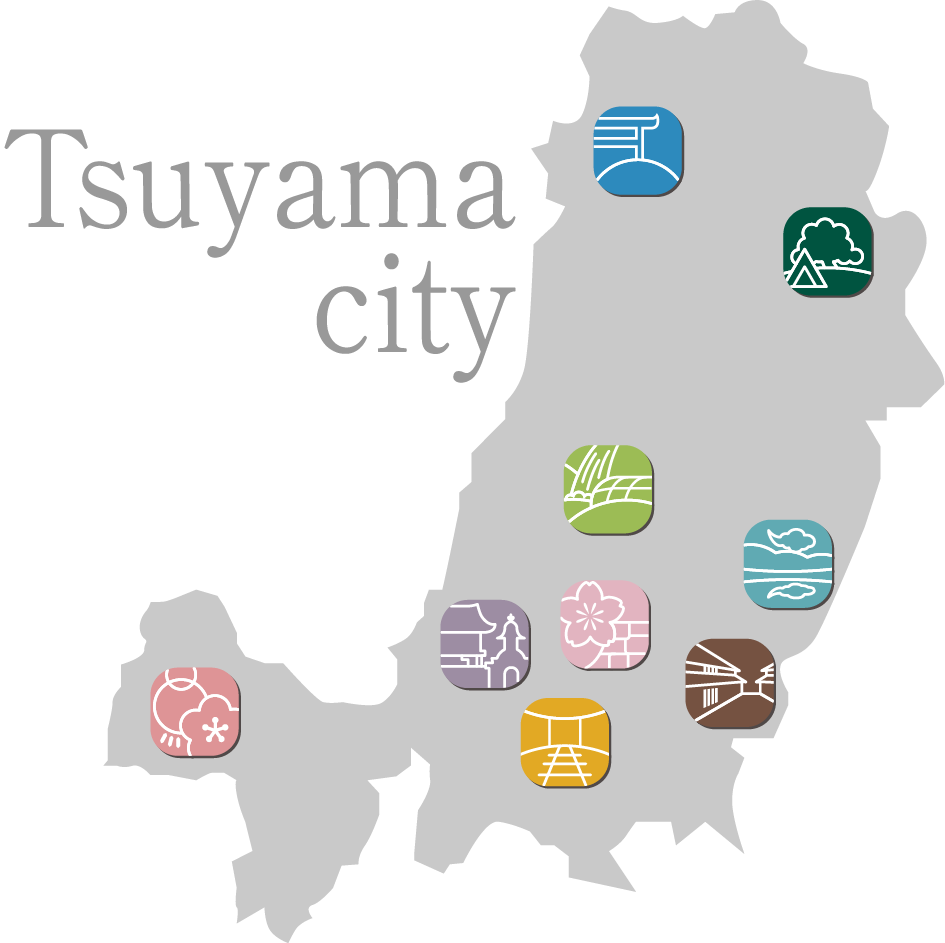
◆ Pictograms for each area
-

Entrance Area
Your journey begins here, at the gateway to Tsuyama.
-
Shiroshita Area
Tsuyama was originally built around Tsuyama Castle, and even today, it serves a symbol of the town, standing at its center.
-
Terrace Area
Lush greenery in the heart of town, offering urban-park-style relaxation and recreation.
-
Josai Area
Explore historic temples and shrines, and commercial architecture from the Modern period — very popular with photographers!
-
Joto Area
Walk down charming streets lined with traditional old merchant houses, and discover the environment that produced a major figure of Japanese learning.
-

Aba Area
Experience the ancient natural beauty of Japan, and enjoy delicious countryside favorites, hot spring baths, and old-fashioned mountain village life.
-

Kamo Area
This area is home to a number of sites with a powerful natural presence. Visit a village in a valley, surrounded by forests and clear streams.
-

Shoboku Area
Discover the beautifully distinct feel of all four seasons, here in the mountain foothills — perfect for enjoying activities like mountain climbing in the great outdoors.
-

Kume Area
“Satoyama” are human-tended natural forests, preserved for centuries. Encounter fireflies in summer, wild plum trees, and other seasonal sights here.
Écomusée Tsuyama is a new effort to draw attention to the beauty and delights of Tsuyama by reimagining the entire town as a single museum.
We’ve divided the town into nine areas, as though it all were a single pavilion.
For instance, the area around Tsuyama Station is more than it might seem.
It’s actually the museum’s entrance and lobby.
We aim to offer new discoveries and new perspectives on everything Tsuyama has to offer, using local tourism facilities and hands-on programs as a way to encounter the area’s fascinating history, rich culture, and much more.
For tourism information about Tsuyama City,please visit the official Tsuyama City Tourism website below.